Physical Address
304 North Cardinal St.
Dorchester Center, MA 02124
Physical Address
304 North Cardinal St.
Dorchester Center, MA 02124
If you’re looking to explore new flavors and boost your daily routine, Chinese tea offers a world of options just waiting for you. Whether you want to relax, refresh, or find a natural energy lift, there’s a perfect tea for your needs.
Imagine discovering teas that not only taste great but also bring health benefits and calm to your day. Keep reading to find out which Chinese tea suits you best and how to enjoy it like a pro.
Chinese tea offers a rich variety of flavors and aromas. Each type has its own unique taste and health benefits. Exploring these teas brings a deeper appreciation for Chinese culture and tradition.
Tea lovers can enjoy fresh, floral notes or deep, earthy tones. The processing method shapes the tea’s character and strength. Let’s explore the main types of Chinese tea and their popular varieties.
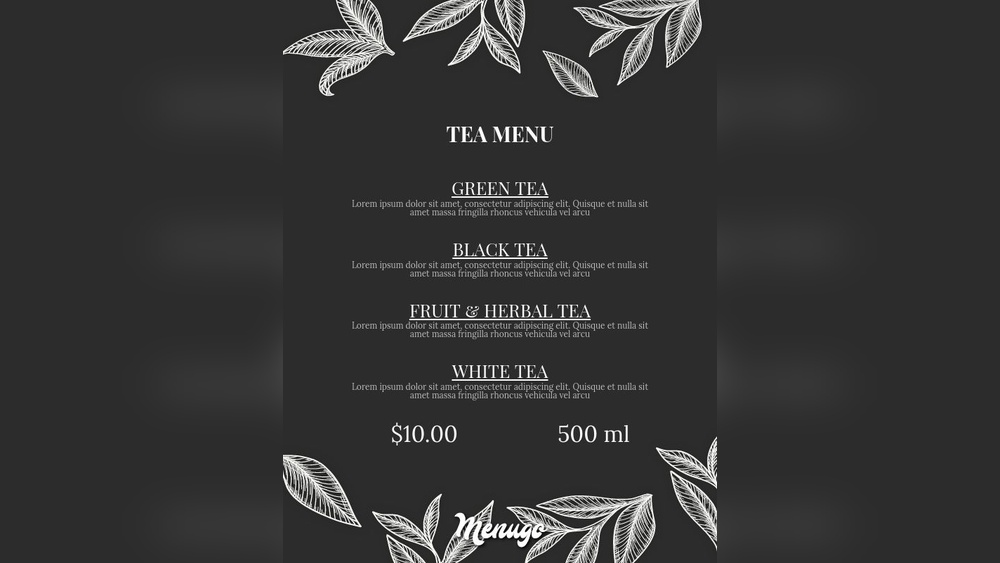
Green tea is the most popular in China. It is lightly processed to keep its fresh taste. Famous types include Longjing, Bi Luo Chun, and Huangshan Maofeng. These teas have a grassy, sweet flavor with a hint of nuttiness. Green tea is rich in antioxidants and good for health.
Chinese black tea is called "red tea" in China. It has a strong, bold flavor and dark color. Popular options are Keemun, Dian Hong, and Lapsang Souchong. Black tea offers a smooth taste with notes of malt or smoke. It helps improve digestion and energy levels.
Oolong tea is partially fermented. It sits between green and black tea in taste and color. Famous oolong teas include Tie Guan Yin, Da Hong Pao, and Wuyi Rock Tea. Oolong has a floral, fruity flavor and a rich aroma. It supports metabolism and mental focus.
White tea is the least processed type. It has a delicate, light flavor and pale color. Common white teas are Baihao Yinzhen and Bai Mudan. White tea tastes sweet with hints of honey and flowers. It is gentle on the stomach and full of antioxidants.
Pu-erh tea is a fermented tea from Yunnan province. It comes in two styles: raw (sheng) and ripe (shou). Raw pu-erh has a fresh, earthy taste. Ripe pu-erh is darker with a smooth, mellow flavor. Pu-erh aids digestion and reduces cholesterol.
Yellow tea is rare and lightly fermented. It has a smooth, mellow taste and yellowish color. Famous types include Junshan Yinzhen and Huoshan Huangya. Yellow tea offers a sweet, slightly fruity flavor. It is good for digestion and calming the mind.
Credit: m.yelp.com
China has many famous tea regions. Each area grows unique tea types. These regions shape the taste and aroma of the tea. Tea lovers enjoy exploring these places through their cups.
Longjing, or Dragon Well tea, comes from Zhejiang. It is a green tea with a fresh, sweet taste. The leaves are flat and smooth. Zhejiang's climate and soil give Longjing its special flavor. This tea is light and refreshing.
Tieguanyin is an oolong tea from Anxi in Fujian. It has a floral aroma and a rich, mellow taste. The tea leaves are curled tightly. Anxi’s misty mountains help grow this tea well. Tieguanyin is smooth and slightly sweet.
Pu-erh tea comes from Yunnan province in the south. It is famous for its deep, earthy flavor. Pu-erh tea ages like wine, getting better over time. The tea leaves are often dark and fermented. Yunnan’s climate is perfect for making Pu-erh tea.
Fujian is also known for its white tea. White tea is the least processed and very gentle. It tastes light with a hint of sweetness. The tea leaves are covered with fine white hairs. Fujian’s cool air helps keep the tea fresh and delicate.
Brewing Chinese tea is an art. The right technique brings out rich flavors and smooth taste. Each tea type needs a special way to brew. Small changes in water or time change the tea’s taste a lot. Understanding these techniques helps enjoy tea fully.
Simple steps make a big difference. Start with clean water and proper tools. Careful attention to detail makes tea time better. Let’s explore some key brewing techniques for Chinese tea.
Water temperature affects tea flavor strongly. Green tea tastes best with water below 80°C (176°F). Black tea needs boiling water near 100°C (212°F). Oolong tea sits between 85°C and 95°C (185-203°F). Too hot water makes tea bitter. Too cool water makes tea weak.
Use a thermometer or kettle with temperature control. Pour water quickly after heating to keep it right. Let boiled water cool a few seconds for delicate teas.
Steeping time changes tea’s strength and taste. Short steeping keeps flavor light and fresh. Longer steeping makes tea stronger and fuller. Green tea needs 1 to 3 minutes. Oolong tea takes 3 to 5 minutes. Black tea steeps 3 to 7 minutes.
Watch the clock. Over-steeping creates bitterness. Under-steeping loses aroma and taste. Adjust time by tea type and personal taste.
Gongfu brewing is a traditional Chinese style. It uses small teapots and many short infusions. This method extracts rich flavors slowly. Each steep brings new taste layers. Tea leaves are packed tightly in the pot.
Use about 5 grams of tea for 100 ml water. Pour hot water quickly over leaves. Steep for 20 to 30 seconds per infusion. Repeat 5 to 7 times. This way, tea tastes fresh every time.
Yixing teapots are famous for Chinese tea. Made from purple clay, they absorb tea flavors. This improves taste over time. Use one teapot for one type of tea only. Rinse the pot with hot water before brewing.
Heat the pot gently. Add tea leaves and pour hot water. Let tea steep for a short time. Pour tea into cups quickly. Yixing teapots keep tea warm and tasty longer.

Credit: www.tripadvisor.com
Chinese tea offers many health benefits. People have enjoyed these teas for centuries. They help the body in different ways. Drinking Chinese tea supports overall wellness. Simple habits, big effects.
Chinese tea contains strong antioxidants. These compounds fight harmful molecules in the body. They protect cells from damage. Green and white teas have high antioxidant levels. Antioxidants help slow aging and disease risks.
Chinese tea helps digestion after meals. It soothes the stomach and reduces bloating. Some teas, like pu-erh, improve gut health. Drinking tea can ease discomfort and promote regular digestion. A natural way to support your tummy.
Chinese tea boosts focus and alertness. It contains caffeine, but less than coffee. Tea also has L-theanine, which calms the mind. This combo improves attention and reduces stress. Perfect for staying sharp without jitters.
Chinese tea may support weight control. It helps increase metabolism and fat burning. Oolong and green teas are popular choices. Drinking tea can reduce appetite naturally. A gentle boost for your weight goals.
Chinese tea holds a deep place in the country’s culture. It is more than just a drink. It reflects history, art, and social values. Tea connects people across generations and regions. It plays a key role in many Chinese customs and daily life. Understanding the cultural meaning of tea helps appreciate its true value.
Tea is a symbol of respect and harmony in Chinese traditions. Families serve tea to elders during festivals and special events. It shows gratitude and good wishes. Tea also represents purity and peace. Many stories and poems celebrate tea’s calming effect. It is part of rituals that honor ancestors and gods.
Tea ceremonies are an art form in China. They focus on careful preparation and presentation. Each step has meaning and purpose. The ceremony creates a moment of calm and connection. Guests enjoy the aroma, color, and taste of tea. These ceremonies teach patience, focus, and respect.
Tea is a popular gift in China. It expresses friendship and good luck. People give tea to hosts, friends, and business partners. High-quality tea shows thoughtfulness and care. Gift boxes often include beautiful cups or pots. Giving tea strengthens bonds and builds trust.

Credit: www.tripadvisor.com
Buying and storing Chinese tea properly helps keep its flavor and aroma. Tea quality depends on many factors, including how you choose and store it. Good habits protect tea leaves from losing taste and freshness. This section gives simple tips to help you buy and store Chinese tea the right way.
Look for tea with a fresh, natural smell. Avoid tea that smells stale or musty. Check the leaves for uniform size and color. Loose leaves usually show better quality than broken ones. Buy tea from trusted sellers with good reviews. Choose tea packed in airtight bags or tins. Small packages often mean fresher tea.
Store tea in a cool, dry place away from light. Use airtight containers made of metal or dark glass. Avoid plastic bags that let air and moisture in. Keep tea away from strong smells like spices or perfumes. Do not store tea in the fridge; moisture affects flavor. Use tea within six months for best taste.
Fresh tea leaves look vibrant and have a strong aroma. Dry leaves should feel crisp, not soft or damp. Brewed tea should have a clear color and rich taste. Stale tea often tastes flat or bitter. Watch for any mold or discoloration on leaves. Fresh tea makes every cup enjoyable and healthy.
Popular Chinese teas include green, black, oolong, white, and pu-erh. Each offers unique flavors and health benefits. Green tea is fresh and grassy, while oolong is partially fermented, offering complex tastes. Pu-erh is aged and rich, popular for digestion and metabolism.
Chinese green tea is lightly processed to preserve natural antioxidants. It has a fresh, grassy flavor and pale green color. Unlike other green teas, Chinese varieties often use steaming or pan-firing methods, enhancing unique aromas and reducing bitterness.
Chinese teas are rich in antioxidants, boosting immunity and reducing inflammation. They aid digestion, improve heart health, and promote relaxation. Regular consumption can enhance metabolism and support weight management naturally.
Use water around 175-85°C depending on tea type. Steep leaves for 1-3 minutes for optimal flavor. Avoid boiling water for delicate teas to prevent bitterness. Use loose leaves for best aroma and taste.
Chinese tea offers many flavors and health benefits. Each type has a unique taste and aroma. Green tea refreshes, while black tea is bold and strong. Oolong tea gives a balance between light and rich flavors. White tea feels soft and gentle.
Trying different teas can be a fun journey. Enjoy the simple pleasure of a warm cup. Explore and find your favorite Chinese tea today. Drinking tea brings calm and joy to daily life. A small habit with a big reward.