Physical Address
304 North Cardinal St.
Dorchester Center, MA 02124
Physical Address
304 North Cardinal St.
Dorchester Center, MA 02124
Are you ready to discover the true magic of Chinese tea? It’s more than just a drink—it’s a tradition that can boost your focus, calm your mind, and refresh your body.
Knowing how to use Chinese tea the right way will unlock flavors and benefits you never expected. Whether you want to enjoy it alone or share it with friends, this guide will show you simple steps to brew the perfect cup and enjoy every sip.
Keep reading, and you’ll find out how this ancient drink can fit seamlessly into your daily life.
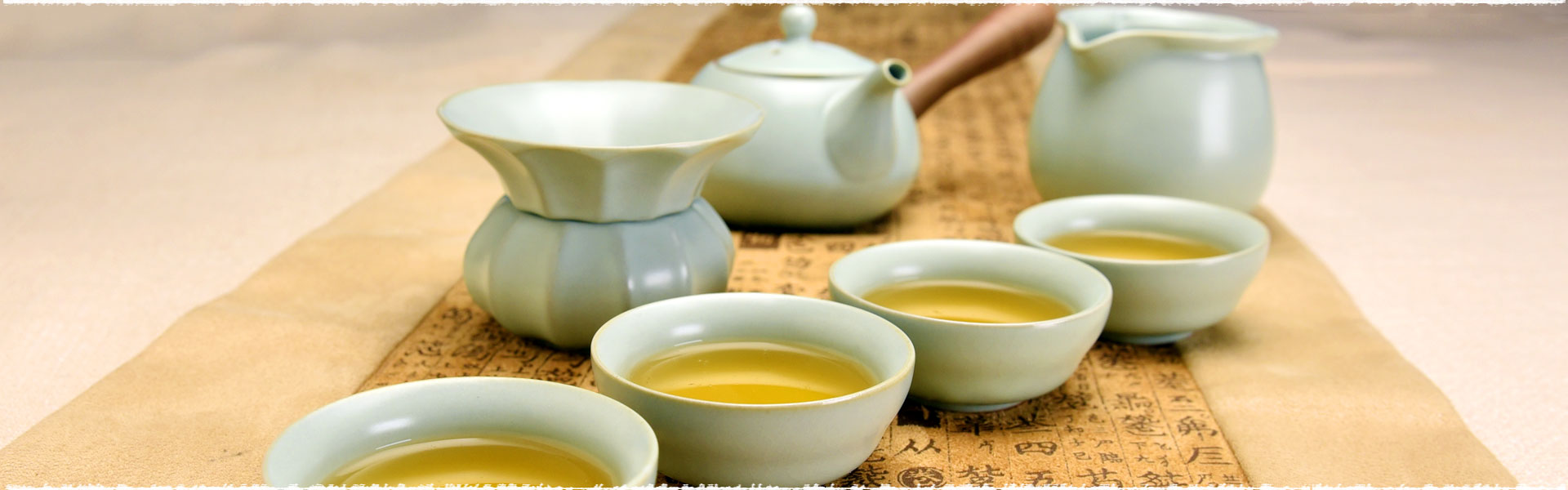
Credit: www.teavivre.com
Chinese tea offers a rich variety of flavors and aromas. Each type has unique qualities and health benefits. Understanding different types helps you enjoy tea better. Here are the main categories of Chinese tea to explore.
Green tea is the most popular type in China. It is fresh and light with a slightly grassy taste. Famous varieties include Longjing (Dragon Well), known for its sweet, nutty flavor. Bi Luo Chun has a fruity aroma and delicate taste. Green tea is full of antioxidants and often enjoyed hot or cold.
Chinese black tea is different from Western black tea. It is called "red tea" in China because of its reddish color. Keemun is a well-known black tea with a rich and smoky flavor. Dian Hong offers a smooth and sweet taste with hints of chocolate. Black tea is bold and energizing, perfect for mornings.
Oolong tea falls between green and black tea in oxidation. It has a floral and fruity aroma with a smooth texture. Tie Guan Yin is a famous oolong with a light, orchid-like scent. Da Hong Pao is stronger, with roasted notes and a deep flavor. Oolong tea is great for relaxing and digestion.
White tea is the least processed and very mild. Bai Mudan (White Peony) has a soft, sweet flavor. Silver Needle is delicate and subtle with a light aroma. Pu-erh tea is aged and fermented. It has an earthy taste that improves over time. Pu-erh helps with digestion and cleansing the body.

Credit: www.youtube.com
Selecting quality tea leaves is key to enjoying authentic Chinese tea. The right leaves bring out the best taste and aroma. Poor quality leaves can ruin the experience. Knowing what to choose helps you enjoy tea like a pro.
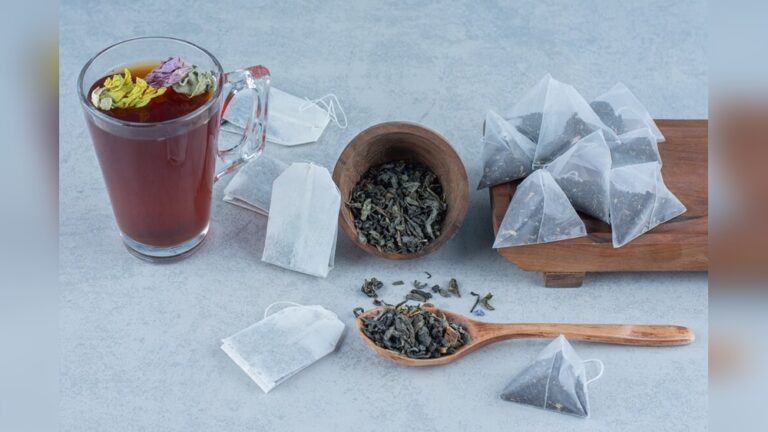
Whole tea leaves keep more flavor than tea bags. Tea bags often contain dust or broken leaves. Whole leaves allow the tea to unfold and release rich taste. Tea bags are convenient but may taste weak. For true flavor, choose whole leaves.
Fresh tea leaves have a strong, natural smell. Aroma fades as tea gets older. Always check the scent before buying. A fresh leaf smells grassy, floral, or nutty depending on the type. Avoid leaves that smell stale or musty.
Buy tea from trusted brands or reliable sellers. They ensure quality and proper storage. Local tea shops and specialty stores often have better products. Online sources can be good if reviews are positive. Trusted sources guarantee fresh and authentic tea leaves.
Traditional brewing methods bring out the rich flavors of Chinese tea. These methods honor centuries of tea culture and careful preparation. They focus on technique, tools, and timing. Each step affects the taste and aroma of the tea. Understanding these methods helps you enjoy tea like a local.
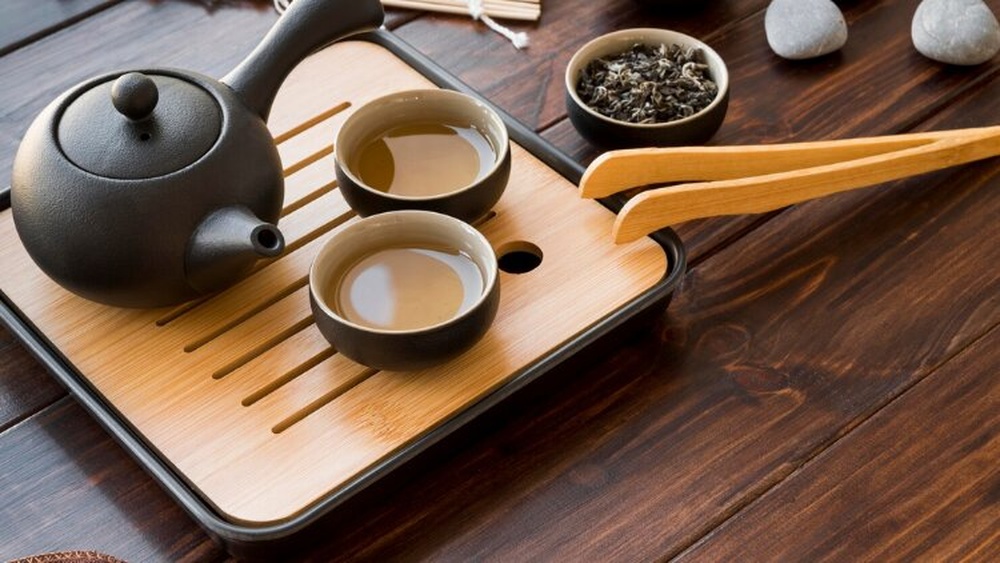
The Gongfu tea ceremony is a careful and detailed way to brew tea. It uses small teapots and cups to bring out strong flavors. Tea leaves are rinsed quickly with hot water before brewing. Multiple short steeps let you taste changes in flavor. This ceremony is about patience and respect for tea.
The Yixing teapot is made from special clay found in China. It absorbs tea flavors over time, improving taste. Use this teapot only for one type of tea. Heat the teapot first with hot water before adding leaves. Pour boiling water slowly to let the tea steep well.
Different teas need different steeping times and water temperatures. Green tea is best at 75-85°C and steeps for 1-2 minutes. Black tea needs boiling water at 95-100°C and steeps for 3-5 minutes. Oolong tea falls between, using 85-95°C and 2-3 minutes. Adjust time and temperature to avoid bitterness.

Credit: www.teasource.com
Modern brewing techniques make Chinese tea easy and enjoyable. These methods help keep the tea's flavor pure and fresh. Many tools and styles fit today's fast lifestyle without losing tradition.
Electric kettles heat water quickly and accurately. Set the kettle to the right temperature for your tea type. Green tea needs cooler water than black tea. Using an electric kettle saves time and energy. It keeps water at a steady heat for perfect brewing.
Cold brewing is a gentle way to enjoy tea. Add tea leaves to cold water and let it sit in the fridge. Wait for 6 to 12 hours for full flavor. Cold brewing reduces bitterness and brings out sweetness. It’s a refreshing choice for hot days.
Start with small amounts of tea leaves. Use fresh, clean water for the best taste. Pay attention to steeping time; too long makes tea bitter. Use a timer to keep track. Experiment with leaf quantity and steeping time. Find what tastes best for you.
Chinese tea has been cherished for centuries, not only for its rich flavors but also for its health benefits. Drinking Chinese tea supports the body and mind in many ways. It offers natural compounds that help protect cells and improve well-being. Understanding these benefits helps you enjoy tea beyond just taste.
Chinese tea contains antioxidants called catechins. These protect the body from harmful free radicals. Free radicals can damage cells and speed up aging. Antioxidants in tea help reduce this damage. Regular tea drinking supports a stronger immune system. It also helps keep skin healthy and glowing.
Chinese tea helps improve digestion. It soothes the stomach and reduces bloating. Some teas promote better absorption of nutrients. Drinking tea after meals can calm the digestive system. It may also prevent stomach discomfort and indigestion. This makes tea a good choice for overall gut health.
Chinese tea contains a small amount of caffeine. This helps increase alertness and focus. Tea also has an amino acid called L-theanine. L-theanine promotes relaxation without sleepiness. This balance helps clear the mind and reduce stress. Drinking tea can create a calm, focused feeling during busy days.
Pairing Chinese tea with food enhances flavors and creates a balanced taste. Tea can soften rich dishes or highlight subtle flavors. Different teas match different foods. This guide helps you find the best tea and food combinations.
Green tea pairs well with light snacks like rice crackers. Oolong tea suits fried dumplings and dim sum. Pu-erh tea matches rich, oily foods such as roasted pork. Jasmine tea is great with sweet snacks like mooncakes. These combinations bring out the best taste in both tea and food.
Light black tea works with grilled chicken or turkey. White tea matches fresh salads and mild cheeses. Strong Pu-erh tea pairs with steak or smoked meats. Herbal teas go well with spicy dishes and desserts. These pairings create new flavor experiences beyond traditional choices.
Spring calls for floral teas like jasmine with fresh fruit. Summer suits iced green tea with cold salads and seafood. Autumn pairs well with warm oolong and pumpkin or nut-based dishes. Winter matches strong black or Pu-erh tea with hearty stews. Seasonal pairings bring harmony between tea and food flavors.
Storing Chinese tea properly keeps its flavor and aroma fresh. Tea leaves are delicate and can lose quality fast. Good storage protects tea from air, moisture, and light. These factors can make tea taste stale or even spoil it. Follow simple steps to keep your tea tasty for longer.
Moisture damages tea leaves. It causes mold and changes taste. Store tea in a dry place away from water sources. Keep tea away from sunlight. Light breaks down tea quality and flavor. A dark cupboard or pantry works best.
Use airtight containers for storing tea. Metal tins, ceramic jars, or thick glass jars work well. Avoid plastic containers that let air in. Keep containers clean and dry before use. Store tea leaves without strong-smelling foods nearby. Tea can absorb odors easily.
Green and white teas last 6 to 12 months. Black and oolong teas keep quality for 12 to 24 months. Pu-erh tea can age longer and improve with time. Check tea smell and look before use. If tea smells off or tastes strange, it may be spoiled.
To brew Chinese tea, start by warming the teapot and cups. Add loose tea leaves, pour hot water, and steep for 2-5 minutes. Adjust steeping time based on tea type. Strain and serve. This method enhances flavor and aroma for an authentic experience.
Choose Chinese tea based on taste preference and health benefits. Green tea is fresh and light, while black tea is strong and rich. Oolong offers a balanced flavor. Consider the occasion and desired effects when selecting your tea type.
Yes, Chinese tea contains antioxidants and nutrients that support health. Regular consumption can boost metabolism, improve digestion, and reduce stress. Different teas offer unique benefits, such as detoxification and heart health. Always drink in moderation for best results.
Water temperature varies by tea type. Green and white teas need 70-80°C to avoid bitterness. Oolong and black teas require 90-100°C for full flavor. Using the correct temperature preserves delicate aromas and prevents over-extraction of tannins.
Chinese tea brings calm and warmth to daily life. Brewing it takes patience but feels rewarding. Taste each cup slowly to enjoy its rich flavors. Share tea time with friends for simple joy. Keep exploring different types to find your favorite.
Drinking Chinese tea can help you relax and focus. Try these steps often to build a peaceful habit. Small moments with tea make big differences.