Physical Address
304 North Cardinal St.
Dorchester Center, MA 02124
Physical Address
304 North Cardinal St.
Dorchester Center, MA 02124
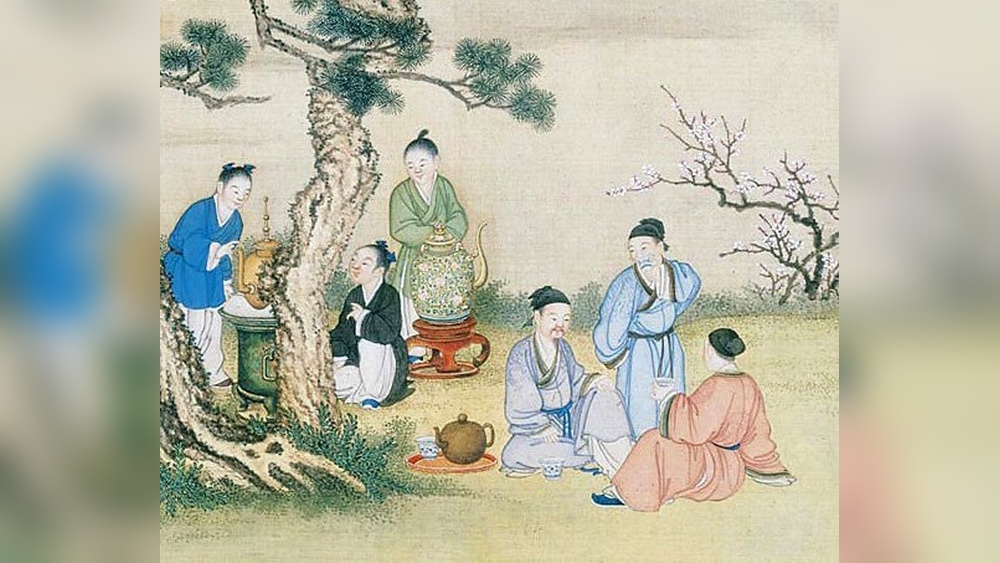
Have you ever wondered how Chinese tea became the beloved drink it is today? The story behind Chinese tea is filled with fascinating moments that shaped not just a beverage, but a culture.
Understanding its history can change the way you enjoy every cup. As you read on, you’ll discover surprising facts that connect you to centuries of tradition and wisdom. Ready to unlock the secrets of Chinese tea’s past? Let’s dive in.
Chinese tea has a long and rich history that begins in ancient times. It started as a simple drink and grew into a key part of Chinese culture. The story of tea’s origin is full of mystery and tradition. Ancient Chinese people discovered tea’s unique flavor and health benefits. Over centuries, tea became more than just a drink—it became a symbol of peace and wisdom.
Tea’s ancient roots show how it connected people and nature. From its first uses to becoming a daily habit, tea shaped many aspects of life in China. The following sections explore the earliest stories and uses of tea leaves in Chinese history.
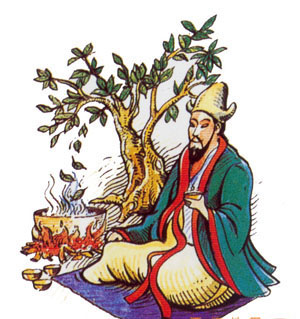
The story of tea begins with Emperor Shen Nong, a famous figure in Chinese history. He lived about 4,700 years ago and was known as the "Divine Farmer." Shen Nong taught people how to farm and use herbs for medicine. One day, while boiling water, tea leaves fell into his pot. He drank the water and felt refreshed. This moment marked the discovery of tea as a drink.
Shen Nong’s tale shows tea’s connection to health and nature. The emperor’s wisdom helped tea gain respect as a medicinal plant. People started to explore tea’s benefits after his discovery.
At first, tea leaves were mainly used for medicine. Ancient Chinese believed tea could cure many illnesses. They brewed tea to help digestion and reduce fatigue. Tea leaves were also chewed or mixed with other herbs.
Over time, tea drinking spread from medicine to daily life. People enjoyed its taste and calming effect. Tea became a popular drink for scholars, monks, and royalty. Early tea culture laid the foundation for the rich tea traditions seen today in China.
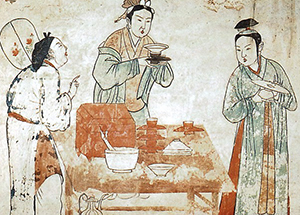
Credit: worldtreasures.org
The Tang Dynasty (618–907 AD) marks a golden age for Chinese tea. Tea became part of daily life and culture. It was more than a drink; it grew into an art form. The Tang era shaped tea's role in society and its customs.
During this time, tea spread beyond the royal court to scholars, poets, and common people. The Tang Dynasty helped tea gain respect and popularity. It laid the foundation for tea's future in China and across Asia.
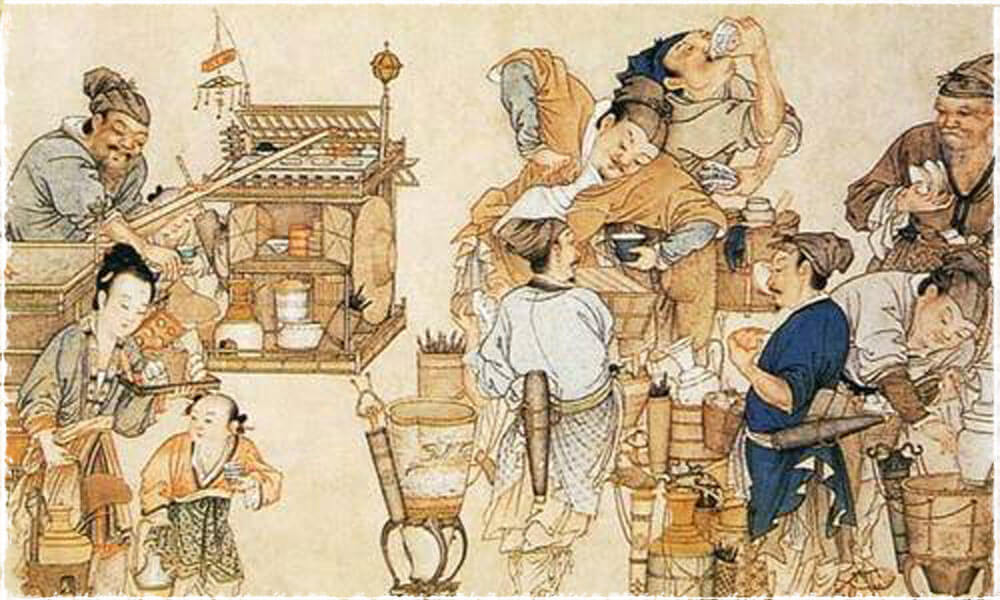
Tea grew in importance during the Tang Dynasty. It was no longer just for medicine or special occasions. People drank tea to relax and enjoy company. Tea shops appeared in cities for social gatherings.
Poets wrote about tea's taste and beauty. Artists painted tea scenes. Tea became a symbol of elegance and peace. The Tang era made tea a daily habit and a sign of culture.
Tea preparation became a careful, respected process. The Tang Dynasty introduced special tools for brewing tea. People used fine bowls, whisks, and scoops. The way tea was made and served showed respect to guests.
Tea ceremonies involved quiet, thoughtful actions. The focus was on the tea’s color, smell, and taste. These customs taught patience and appreciation. Tang tea rituals influenced later Chinese tea traditions.
The Song Dynasty (960-1279) shaped many tea customs still alive today. This era brought fresh ideas on how to prepare and enjoy tea. Tea culture grew deeper and richer in this period.
Song people changed tea making methods. They moved from boiling tea leaves to grinding them into powder. This powdered tea was whisked with hot water. This created a frothy drink with a smooth taste. Tea bowls became popular for serving this drink. The focus was on the color, smell, and texture of the tea.
Tea preparation became an art form. It required skill and attention to detail. The tools used, like special whisks and bowls, were carefully made. These innovations influenced tea habits across East Asia.
Tea inspired many poets and artists during the Song Dynasty. They wrote poems about the beauty and calm of tea time. Paintings often showed tea gatherings and tea tools. These works celebrated tea’s role in daily life and meditation.
Tea was more than a drink. It was a symbol of culture and nature. The connection between tea and art made tea ceremonies a peaceful and creative experience.
Credit: www.pghphoto.org
The Ming Dynasty brought important changes to Chinese tea culture. These changes shaped how tea was made and enjoyed. Tea became simpler and more natural. The focus moved away from powdered tea to loose leaf tea. People also created new tea tools to improve the experience. These shifts influenced tea habits across China and beyond.
The Ming Dynasty ended the use of powdered tea. Loose leaf tea became the preferred choice. This change made tea preparation easier and faster. People could now brew tea by steeping whole leaves. This method kept more natural flavors and aromas in the tea. Tea drinking became more relaxed and enjoyable. The shift also encouraged new tea-growing techniques.
New tea tools appeared during the Ming era. Porcelain teapots became popular for brewing loose leaf tea. These teapots kept heat well and showed off beautiful designs. Tea cups also changed, becoming smaller and thinner. This allowed drinkers to taste tea more clearly. Tea trays and strainers were improved too. These tools made tea preparation cleaner and easier.
Tea played a key role in trade between China and other countries. It was more than just a drink. Tea became a valuable product that traveled across lands and seas. Its journey helped shape cultures and economies far from China.
Trade routes opened paths for tea to reach new markets. Traders and travelers carried tea along with silk, spices, and other goods. The history of Chinese tea is tied closely to these trade connections.
The Silk Road was a famous trade route connecting East and West. It linked China with Central Asia, the Middle East, and Europe. Tea traveled along this route, reaching traders and nobility.
Tea became popular among merchants and rulers outside China. The Silk Road helped spread tea culture and knowledge. It also increased demand for Chinese tea, boosting its production.
Europe first discovered tea through trade with China. Portuguese and Dutch traders brought tea to European ports in the 16th century. It soon became a luxury item for the wealthy.
European demand grew quickly. Tea was shipped in large quantities from China. This trade influenced European culture and daily life. Tea houses and ceremonies appeared across Europe.
Modern tea practices in China blend old traditions with new ideas. Tea remains a key part of daily life and special events. People enjoy tea in many ways, from casual sipping to formal ceremonies. This mix keeps tea culture alive and fresh in today’s world.
Chinese tea culture today is vibrant and diverse. Many cities have tea houses where friends gather to chat and relax. Young people show interest in tea through art and design. Traditional tea ceremonies still happen, often at festivals or family gatherings. Tea also appears in modern cafés, mixed with new flavors. This shows respect for history and love for innovation.
Chinese tea is popular worldwide. Many countries enjoy green, black, and oolong teas from China. People value the health benefits and unique tastes. Tea shops in Europe, America, and Asia sell Chinese tea. Cultural events teach about Chinese tea’s rich history. This global interest helps spread appreciation for Chinese tea traditions.
Credit: www.thesilvaspoon.com.au
Chinese tea originated over 4,000 years ago during the Shang dynasty. It began as a medicinal herb before becoming a popular beverage. Ancient legends credit Emperor Shen Nong for discovering tea's refreshing qualities. This origin marks the foundation of a rich tea culture in China.
Chinese tea culture developed through dynasties like Tang and Song. Tea became a social and spiritual practice during these times. Innovations in tea preparation and ceremonies evolved, influencing art and literature. This culture spread across Asia and shaped global tea traditions.
The main types of Chinese tea include green, black, oolong, white, yellow, and pu-erh. Each type differs by processing methods and fermentation levels. These teas offer diverse flavors and health benefits, reflecting China’s rich tea heritage and regional varieties.
Tea played a crucial role in Chinese history as medicine, trade, and culture. It fostered social rituals and diplomatic exchanges, boosting the economy. The Silk Road helped spread tea worldwide, making it a symbol of Chinese civilization and tradition.
Chinese tea has a rich and long history. It shaped culture and daily life for centuries. People around the world enjoy its unique flavors today. Tea connects past and present in a simple cup. Each sip tells a story of tradition and care.
Exploring Chinese tea means tasting history itself. Its journey continues, bringing warmth and calm to many. Remember, every cup holds a piece of China’s heart.