Physical Address
304 North Cardinal St.
Dorchester Center, MA 02124
Physical Address
304 North Cardinal St.
Dorchester Center, MA 02124
Are you curious about which Chinese tea is actually green tea? If you've ever wondered what makes green tea different from other teas or how to spot authentic Chinese green tea, you're in the right place.
Knowing the right type of tea can change the way you enjoy your cup and even boost your health. Keep reading, and you'll discover the secrets behind Chinese green tea, how to choose the best one for you, and why it might become your new favorite drink.
Your perfect cup is just a few sips away!
Credit: www.curioustea.com
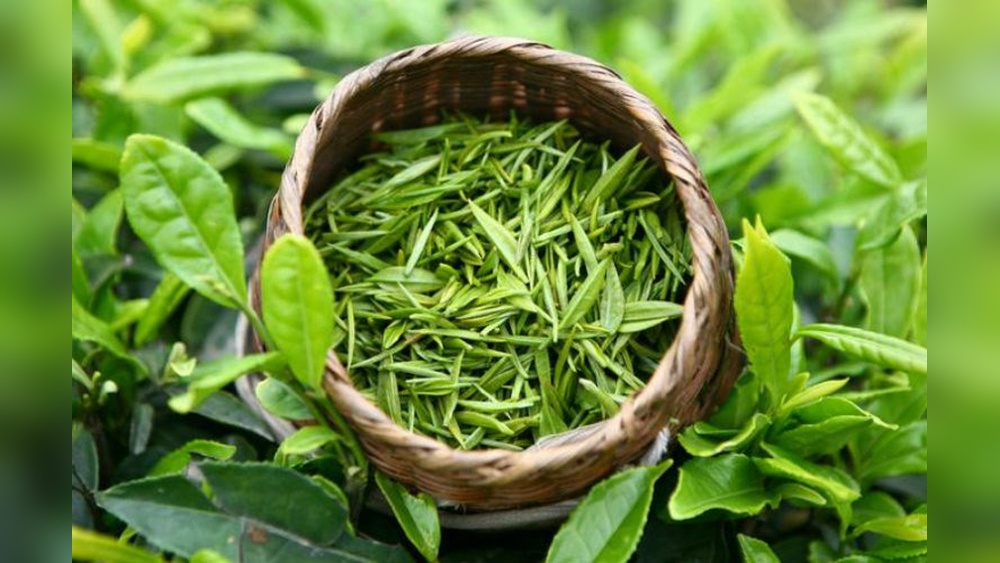
Chinese green tea comes in many types. Each type has a unique taste and aroma. These teas are made from fresh tea leaves. The leaves are carefully steamed or pan-fired to stop oxidation. This process keeps the tea green and fresh.
Here are some popular types of Chinese green tea. Each has a special story and flavor. Learning about them helps you enjoy green tea more.
Longjing is one of the most famous Chinese green teas. It grows near Hangzhou city. The tea leaves are flat and smooth. Longjing has a sweet, nutty taste. It smells fresh and grassy. Many people drink it for its clear, light flavor.
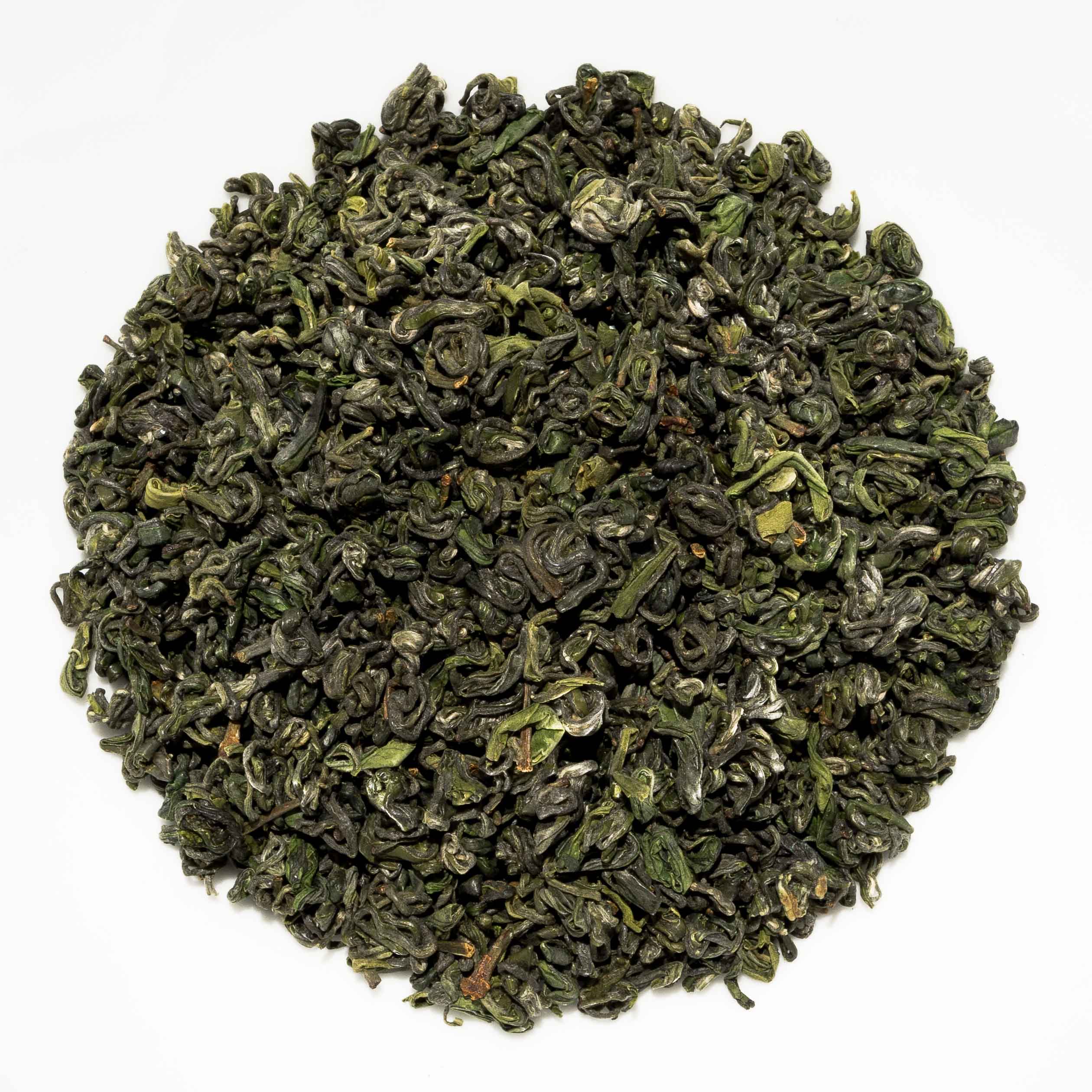
Biluochun grows in the Jiangsu province. Its name means "Green Snail Spring." The tea leaves curl tightly like small snails. It has a strong floral aroma. The taste is fresh and slightly fruity. This tea is bright green and very fragrant.
This tea comes from Huangshan mountains. Its leaves look like small, pointed needles. Huangshan Maofeng has a light, sweet taste. It smells like fresh flowers and fruit. The tea is smooth and refreshing with a hint of chestnut.
Lu An Gua Pian is from Anhui province. The tea leaves are unique because they do not have leaf buds. They are shaped like melon seeds. This tea has a strong, fresh taste. It feels smooth and slightly sweet. The aroma is fresh and light.
Green tea stands out for its unique qualities. It offers a fresh taste and many health benefits. These come from its special leaves and how they are treated. Understanding green tea helps you appreciate its true value.
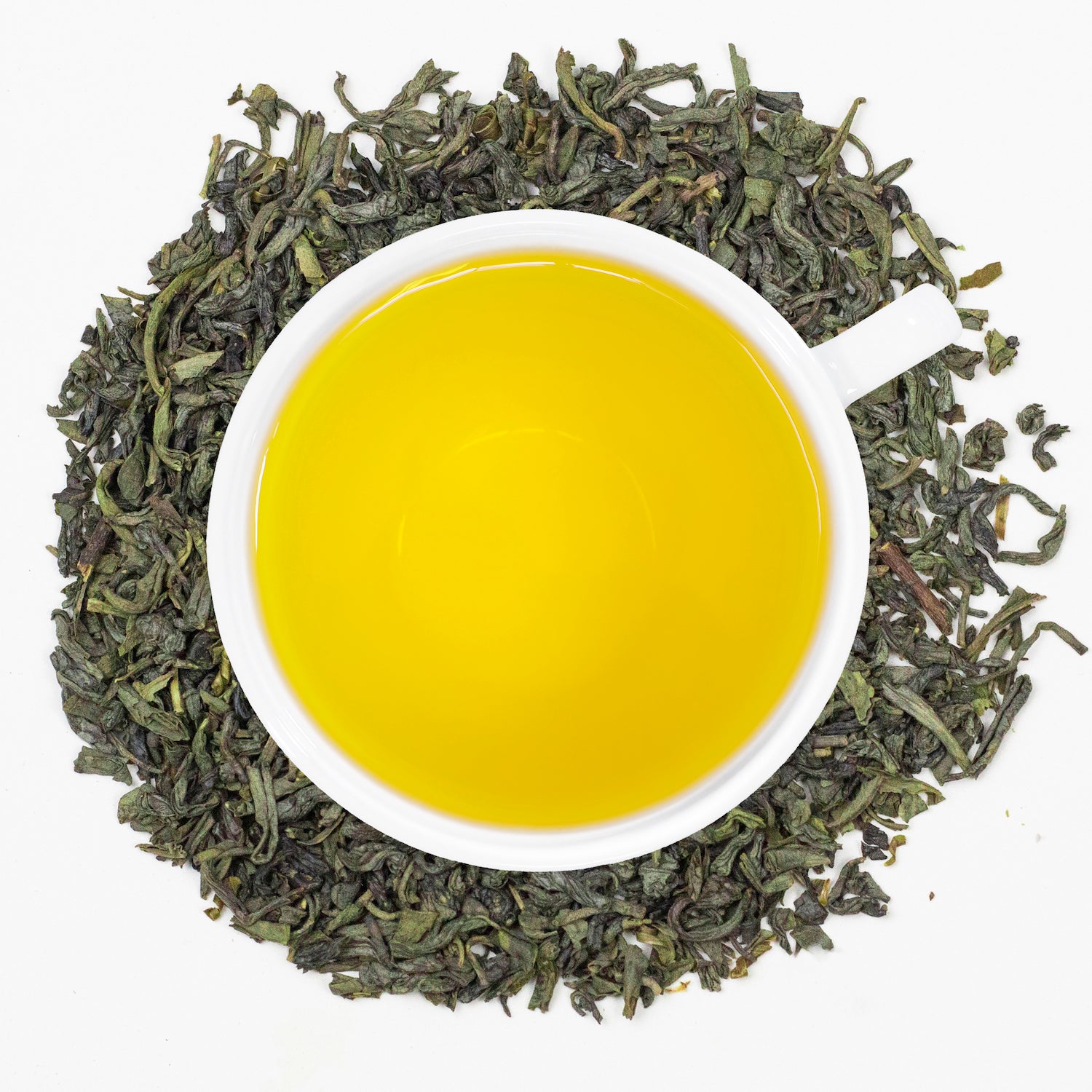
Green tea leaves are usually bright green or yellow-green. The brewed tea often looks light green or pale yellow. Leaves can be flat, twisted, or rolled into small shapes. The color shows the tea’s freshness and careful processing.
Green tea tastes fresh and slightly grassy. It has a mild sweetness and a hint of bitterness. Some types have a nutty or floral note. The flavor changes with how the tea is grown and processed.
Green tea leaves are quickly heated to stop oxidation. This keeps the leaves green and fresh. The two main heating methods are steaming and pan-firing. After heating, leaves are rolled and dried carefully. This method preserves the tea’s natural taste and color.
Chinese green tea offers many health benefits. It is a natural drink enjoyed for centuries. The tea is rich in nutrients that help the body stay strong. People drink it to feel more energetic and healthy every day.
Green tea contains special compounds that support overall well-being. These compounds work in the body to improve health and protect cells. Drinking Chinese green tea regularly can help maintain a balanced and healthy lifestyle.
Chinese green tea is full of antioxidants. These substances fight harmful molecules called free radicals. Free radicals can damage cells and cause aging. Antioxidants in green tea help protect the body from this damage. They keep the skin and organs healthier for longer.
Green tea helps the digestive system work well. It can reduce stomach problems like bloating and indigestion. The tea soothes the stomach and supports good digestion. Drinking green tea after meals can make digestion easier and more comfortable.
Chinese green tea boosts mental alertness and focus. It contains caffeine, but less than coffee. This caffeine helps improve concentration without causing jitters. Green tea also has an amino acid called L-theanine. L-theanine works with caffeine to create calm and clear thinking.

Credit: inpursuitoftea.com
Brewing Chinese green tea is an art. It brings out the fresh, delicate flavors hidden in the leaves. Proper brewing helps you enjoy a smooth and light taste. It also keeps the tea's health benefits intact.
Each step matters, from water temperature to steeping time. Using the right amount of tea leaves also changes the flavor. Follow these simple rules to brew a perfect cup of Chinese green tea.
Use water that is hot but not boiling. The ideal temperature is around 75-80°C (167-176°F). Boiling water can burn the leaves and make the tea bitter. Let boiling water cool for a few minutes before pouring it over the tea.
Steep the tea leaves for 1 to 3 minutes. Shorter steeping gives a lighter flavor. Longer steeping makes the tea stronger but may become bitter. Watch the time carefully to enjoy the best taste.
Use about 2 grams of tea leaves for every 150 ml of water. This ratio keeps the flavor balanced and smooth. Too many leaves create a strong, bitter brew. Too few leaves make the tea weak and bland.
Chinese teas come in many types, each with unique flavors and colors. Green tea stands out for its fresh taste and light color. It is important to know how green tea differs from other common Chinese teas. This helps you choose the right tea for your taste and health benefits.
Green tea is made by quickly heating fresh leaves to stop oxidation. This keeps the leaves green and preserves natural antioxidants. Other teas go through different processes that change their color and flavor. The following comparisons explain these differences clearly.
Black tea is fully oxidized, turning the leaves dark brown or black. This process gives black tea a stronger and richer flavor. Green tea has no oxidation, so it tastes lighter and more grassy. Black tea contains more caffeine than green tea. Green tea’s antioxidants are higher because of less processing.
Oolong tea is partially oxidized, sitting between green and black tea. Its flavor is more complex, with floral and fruity notes. Green tea has a fresher taste and lighter color. Oolong leaves are darker and twisted, while green tea leaves stay green and flat. Oxidation level makes the biggest flavor difference here.
White tea is the least processed tea, made from young leaves and buds. It has a delicate, sweet taste and pale color. Green tea is steamed or pan-fired, giving it a greener color and stronger taste. White tea oxidizes very little and has a mild flavor. Both teas offer antioxidants, but green tea is more popular worldwide.
Credit: fullleafteacompany.com
Chinese green teas include Longjing (Dragon Well), Biluochun, and Huangshan Maofeng. These teas are unoxidized and have a fresh, grassy flavor profile.
Chinese green tea is pan-fired or steamed immediately after picking. This stops oxidation, preserving the tea’s green color and fresh taste.
Chinese green tea is rich in antioxidants and can boost metabolism. It supports heart health and may improve brain function.
Look for vibrant green leaves and a fresh aroma. Authentic Chinese green tea has a smooth, slightly sweet flavor without bitterness.
Chinese green tea comes from young tea leaves. It stays light and fresh because it is not fermented. Popular types include Longjing, Biluochun, and Maojian. Each has a unique taste and aroma. Drinking green tea offers many health benefits. It is rich in antioxidants and helps refresh the mind.
Knowing which tea is green helps you choose better. Enjoy a cup to feel calm and energized. Simple, natural, and good for daily life. Try different kinds to find your favorite.